

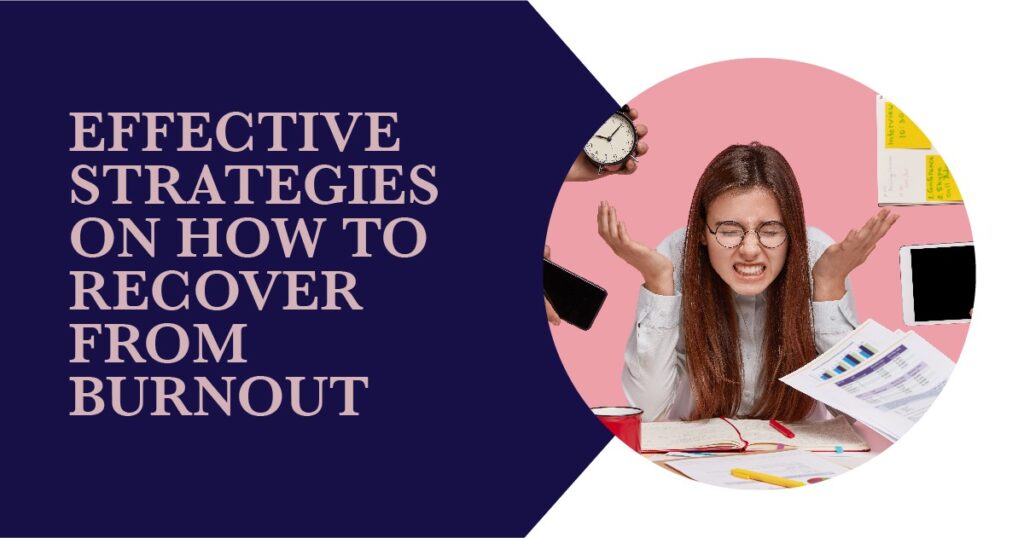
Burnout is one of the most widespread mental and emotional issues that individuals encounter nowadays, particularly in such a hectic metropolis as Los Angeles. It is also easy to lose motivation, energy, and emotional clarity when you are under pressure all the time. You have to balance out your duties and outperform yourself.
It is not quite as simple as taking a break to get out of burnout. It requires a physical transformation of your thought process, lifestyle, and habits to recover. You will not feel better tomorrow, but with the correct tools and help, you may find your balance and enhance your health.
Understanding Burnout and Its Signs
Burnout normally creeps in gently, gradually eating up your mind, actions, and even your health until you might not be yourself anymore. It is not a short-term consequence of stress but can influence your working ability, relationships with others, and your psychological state.
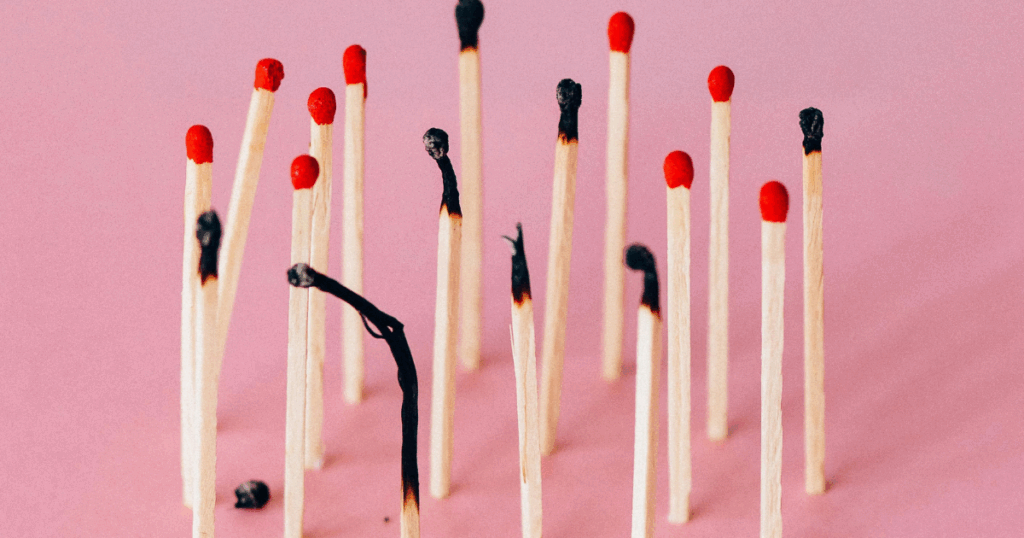
The majority of people do not pay much attention to the indicators of early fatigue as they believe that exhaustion or irritability is a normal aspect of life, yet failure to observe such indicators can make the process of recovery more challenging in the future.
To transform the habits themselves, which are the cause of the emotional load that results in burnout, one can begin by addressing the habits themselves and understanding the internal warning and encouragement that your body and your mind are sending you when it is overloaded.
Recognizing Symptoms and Identifying Root Causes
Burnout symptoms are generally characterized as emotional indifference, a lack of energy that cannot be replenished with the help of rest, a lack of productivity, easy frustration, or discouragement.
Such symptoms tend to be linked to other underlying causes, including the absence of respect for personal boundaries, overworking, perfectionism, or chronic stressful experiences.
The initial process to mental health recovery is to know what triggers you to become stressed out, such as the stress in the workload, the emotional tension, and the unresolved obligations.
The Role of Self-Care in Burnout Recovery
Self-care is not perceived as days of relaxation or frequent rest, but it is a deliberate action of taking care of your physical, emotional, and psychological health. When you are experiencing burnout, your nervous system has been overstrained, and there are no energy resources to deal with stress, and you are poor at dealing with stress.
Effective Self-Care Strategies for Emotional and Physical Wellbeing
- You should take care of your nervous system, put sleep first, and avoid irregular sleep habits.
- To remove tension, more gentle exercise, such as yoga or stretching, can be included.
- Learn to say no to make sure you do not overcommit yourself and protect your emotional space.
- Break emotional burnout into short segments of joy, such as music, reading, nature walks, etc.
- Do not feel alone – keep in contact with good friends or relatives.
The National Institute of Mental Health (NIMH) provides helpful information on ways to cope with chronic stress and emotional pressure.
Implementing Work-Life Balance and Routine Adjustments
Re-structuring day-to-day habits to create a sense of balance and ensuring that the overwhelming patterns do not recur is one of the major elements in learning to overcome burnout. Lots of people have the tendency to get into habits that increase burnout, such as not taking breaks, checking email late into the night, or letting work take over their lives, among other things.
Good boundaries will enable you to do away with stress and regain control to a large extent. Burnout recovery, in its turn, cannot be a one-day solution since productivity, mood, and clarity can only be achieved by concentrating on the conscious change in lifestyle.
Creating Sustainable Habits for Long-Term Recovery
| Habit | Why It Helps | Implementation Tip |
| Time blocking | Reduces overwhelm | Schedule work and breaks clearly |
| Digital boundaries | Lowers mental fatigue | Turn off notifications after work |
| Scheduled downtime | Supports energy restoration | Add rest periods to your calendar |
| Consistent routines | Stabilizes mood | Morning and evening rituals |
| Goal prioritization | Prevents overload | Focus on three key tasks per day |
Mindfulness, Relaxation, and Stress Reduction Techniques
Mindfulness and meditation with relaxation methods can be incorporated into your daily routine and can greatly decrease the impact of chronic stress. These are the techniques that assist in stopping your internal stress response, becoming more emotional, and controlling your breathing.
Mindfulness teaches you to be in the present, as opposed to being consumed with something about what will happen tomorrow or other aggravations of the past. These techniques can promote a clear state of mind, relieve physical tension, and aid the recovery process in the long term when taken regularly.
Practices to Restore Energy and Build Emotional Resilience
Deep breathing, grounding exercises, and guided meditation are activities that can be used to rewire the brain to respond to stress and re-establish emotional resilience. The slow breathing stimulates the parasympathetic nervous system, which promotes relaxation and lowers anxiety.
Building emotional resilience makes it less emotional and more focused on the stressful situation, allowing for easier dealing with it, as meditation helps reduce emotional attachment to the issues. Even simple relaxation, like sitting down and taking five minutes or writing in your journal, about anything that you please, can release the mental overload and enable you to recall what you would need on the inside.
Mindfulness applications Headspace and Calm are popular apps with non-clinical means of regulating day-to-day stress.
Professional Support and Community Resources – Los Angeles Mental Health
Although lifestyle changes are significant in the healing process, medical assistance might be very effective in hastening the process of burnout recovery. The therapists, counselors, and mental health specialists will be in a position to help you discover the underlying causes, emotional burnout, and long-term coping strategies unique to your personal needs.
If you or your loved one is experiencing burnout, take the first step towards healing at Los Angeles Mental Health. We provide evidence-based and compassionate assistance to help you face your life once again and recover emotional resilience. Contact Los Angeles Mental Health now and receive individual mental health care and burnout recovery information.
FAQs
1. What are the most effective stress management techniques for overcoming burnout?
Some of the best methods are deep breathing, time management, and mindfulness. The exercises will assist in alleviating emotional burden.
2. How can self-care strategies aid in mental health recovery during burnout?
Self-care may be used in terms of energy restoration, de-stressing, and recovering balance by satisfying your physical and emotional needs. To recover and be healthy, coherent acts are upheld.
3. What role does work-life balance play in preventing and recovering from burnout?
Your mentality is also healthy due to the healthy balance, as it assists in the reduction of stress and burnout. It also provides the room to rest, pursue oneself, and have good personal contacts.
4. Which mindfulness practices are best for relaxation and energy restoration in burnout recovery?
Guided meditation, grounding work, and deep breathing are quite impressive. These activities lead to a decrease in stress, enhancing concentration, and stabilizing the body’s reaction towards stress.
5. How can building emotional resilience help in the process of recovering from burnout?
It is emotional strength that can make you very versatile in dealing with problems without being caught off guard. It also provides superior coping mechanisms and psychological resilience during stress.