



It is normal to be cautious when dealing with water. The seas can feel malevolent, savage, and physically aggressive. However, when this fear becomes persistent and disturbing, then it is indeed much more. Ocean phobia does not imply that individuals merely avoid swimming.
They avoid beaches, boat tours, beach holidays, and even images of water. The most negative scenarios that occur to their minds are that they are drowning, stuck in water, or being assaulted by invisible animals.
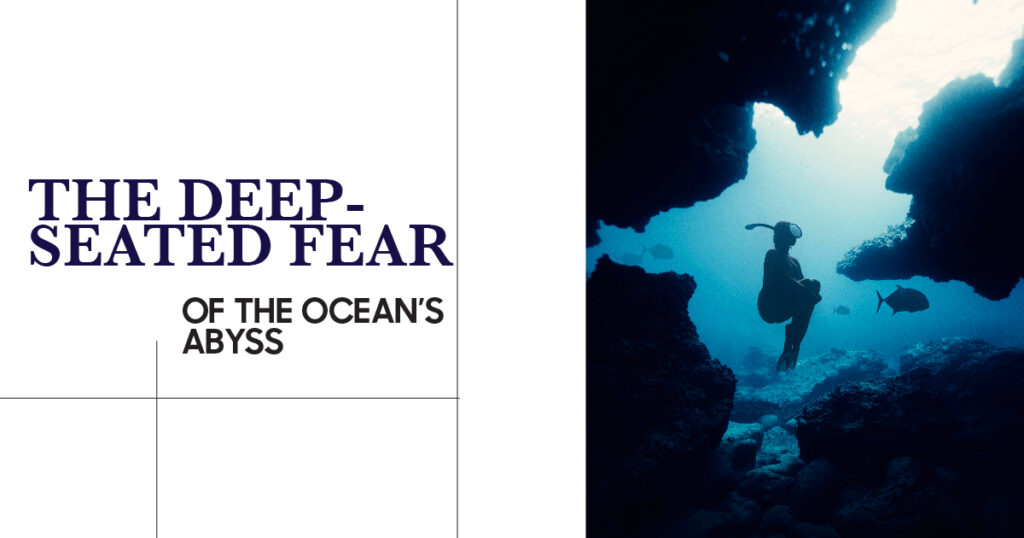
This is a direct link to a fear of deep water and the deep sea, where the brain is haunted by what lies beneath the surface. The invisibility and the idea of infinite depth trigger anxiety even when there is no danger at all.
Understanding Thalassophobia and Its Psychological Roots
The nature of the brain’s perception of uncertainty and apparent danger is the root cause of thalassophobia. The sea is a representation of enormity, depth, and lack of control. You have no idea how deep it goes, how far it stretches, or what might be lurking beneath the surface. This uncertainty can be overwhelming for someone prone to anxiety.
Such a state is usually associated with previous experiences, which might include almost drowning, being caught in a powerful wave, or observing a person who struggled in the water. It may also grow due to frequent exposure to the scary media or narratives about the ocean. These experiences are stored in the brain in the form of threats, which subsequently cause fear responses.
Psychologists also observe that human beings instinctively react to deep water with a survival instinct. It signals vulnerability. This explains why many people have a fear of large bodies of water and marine life. The brain pictures the sharks, the huge animals, or an unknown threat that is present beneath the surface.
Organizations such as the Anxiety and Depression Association of America describe how phobias are shaped by the learned fear responses that can be unlearned with the help of therapy and controlled exposure.
Common Triggers for Ocean Phobia and Deep Sea Fear
Thalassophobes may not all think and have the same kind of fears. Still, the list of stimuli that are likely to cause the fear response is very extensive:
- Deep, dark water where the bottom cannot be seen.
- Floating or swimming far from shore.
- Being in boats, cruises, or open water.
- Seeing large waves or underwater footage.
- Thinking about the fear of sea creatures and unknown marine life.
- Feeling trapped or unable to escape.
These stimuli integrate visual information and emotional memory, and this results in the brain getting into an alarm state. When that occurs, panic may become inevitable.

The Role of the Unknown in Underwater Anxiety
The human brain does not like uncertainty. Your mind has to imagine what you do not know below you. That is why feeling underwater anxiety is so strong. The blackness of the deep sea forms mental pictures of danger, even in the absence of danger.
Familiar landmarks are also washed away by the ocean. Walls are nonexistent, edges are nonexistent, and there is no stable ground. This lack of reference leaves people feeling confused and helpless. The fear of the ocean, together with this lack of structure, leads to a strong emotional reaction that cannot be neglected.
Physical and Emotional Symptoms of Thalassophobia
Individuals with thalassophobia tend to develop symptoms that resemble panic disorder. The body responds as though there is actual danger. Let’s discuss more about the physical and emotional symptoms of thalassophobia:
| Physical Symptoms | Emotional Symptoms |
| Rapid heartbeat | Intense fear or dread |
| Shortness of breath | Feeling out of control |
| Sweating or shaking | Fear of dying or drowning |
| Dizziness | Urge to escape |
| Nausea | Overwhelming anxiety |
These responses aren’t imagined. They’re real biological reactions triggered by the brain’s threat-detection system. Over time, avoidance reinforces the phobia, making symptoms worse.
How Fear of Large Bodies of Water Impacts Daily Life
Vacations are not the only thing that thalassophobia makes a difference in. It can influence the direction taken by an individual, what people see, and how they relate to the world. People might not accept the invitations to the beach, may not visit cities located near the ocean, or may experience anxiety even when they drive around the ocean.
Some people develop distress near pools, lakes, and rivers because of the fear of deep water. This restricts physical activity, family, and social life. With time, isolation and frustration can increase, as well as mental health and confidence.
Evidence-Based Treatment Approaches for Ocean Phobia
Cognitive Behavioral Therapy makes individuals realize how their thoughts cause fear. Gradual exposure therapy presents safe water-related experiences to retrain the brain. Grounding and relaxation practices are used to relax the nervous system during deep-seated fear.
Phobias and anxiety disorders are among the educational materials available through organizations such as the American Psychological Association that help individuals in their treatment.
Find Relief From Thalassophobia at Los Angeles Mental Health
If you or a loved one struggles with a fear of the ocean, seeking professional support can make a meaningful difference. Los Angeles Mental Health offers compassionate, evidence-based therapy for phobias, anxiety disorders, and trauma.
Our trained team understands how overwhelming thalassophobia and underwater fear can feel. That’s why we create individualized treatment plans, helping each person work through their fears and regain a sense of control. You don’t have to live in fear of water. With the right support, recovery and peace of mind are possible.
Take the first step today. Contact Los Angeles Mental Health and schedule an appointment in order to start conquering thalassophobia.

FAQs
What are common triggers for fear of the ocean, and how do they relate to thalassophobia?
Common triggers include deep water, large waves, open water, and images of underwater environments. These elements activate the brain’s fear response, leading to thalassophobia.
How can deep-sea fear and underwater anxiety manifest in individuals with ocean phobia?
Individuals may experience panic attacks, racing thoughts, and physical distress when near deep water or even just thinking about it. These symptoms occur because the brain interprets the ocean as a threat.
What strategies are effective for managing fear of large bodies of water and marine life?
Therapy, gradual exposure, and relaxation techniques help reduce anxiety over time. Learning how fear works also makes it easier to regain control.
How does sea creature fear contribute to the development of thalassophobia?
Fear of unknown or dangerous marine animals increases feelings of vulnerability in deep water. This intensifies the overall fear of the ocean.
What are the psychological impacts of fear of deep water on daily activities and mental health?
It can lead to avoidance, stress, and reduced quality of life. In the long run, it can also lead to anxiety and a lack of self-confidence.