Skip to content







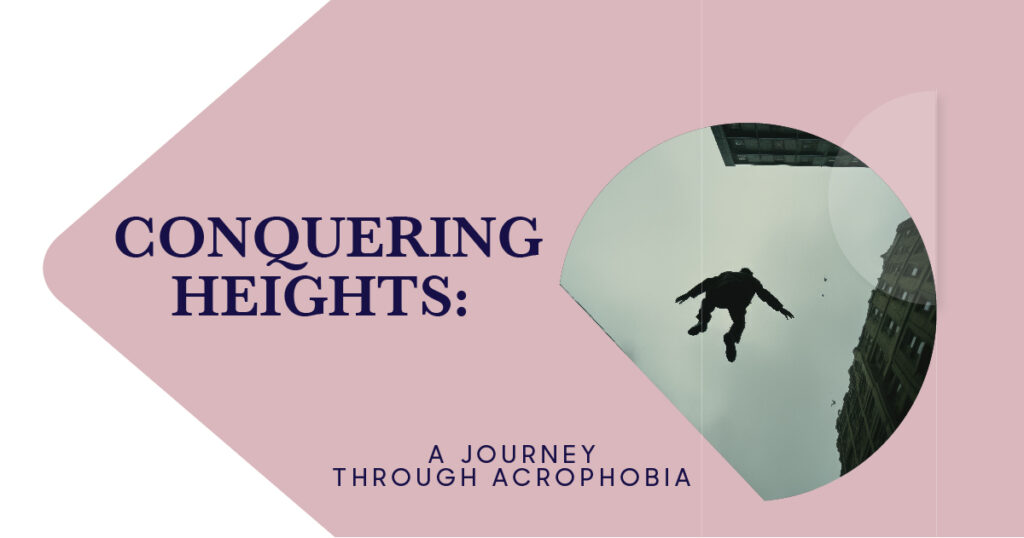
Feeling uneasy when standing on a high place or looking over the edge of a mountain cliff is a natural human reaction. For some people, however, the fear of heights goes far beyond mild discomfort. It becomes overwhelming, persistent, and difficult to control.
This is severe acrophobia, which is the phobia of heights. It can creep into the daily decision-making process and limit opportunities and the overall state of mental health. It is a kind of fear that should be addressed, and this can be done only through being aware of the source of such fear.
What Is Acrophobia and How Common Is It?
Acrophobia is an irrational and extreme fear of heights. It is an anxiety disorder because the fear response is disproportionate to the actual risk. People with acrophobia often avoid stairs, balconies, elevators, and bridges, and may even avoid photos depicting heights.
Certain phobias are considered to be some of the most prevalent anxiety disorders, and they are found in millions of adults across the globe. It has been identified that acrophobia is among the most frequently reported phobias, and this develops during childhood or early adulthood, and it does not fade without treatment.
The Difference Between Healthy Caution and Debilitating Fear
Healthy caution serves as protection. It contributes to awareness and responsible behavior under potentially dangerous situations. On the contrary, paralyzing fear completely overrides reason. In acrophobia, the brain thinks that height is threatening even when there is no actual danger. It is this lack of connection between reality and perception that renders an otherwise ordinary response into a psychological state that should receive support.
What Causes Fear of Heights to Develop?
Usually, a fear of heights has multiple causes. In some cases, it develops after a person experiences a traumatizing event like falling or observing an accident involving heights. Sometimes it’s a learned behavior, where children absorb the fear from parents or caregivers.
Biology also plays a role. Some people have a sensitive nervous system, and as such, they tend to have increased fear responses. The American Psychological Association states that brain chemistry and early experiences in life affect the formation and maintenance of phobias. When all these factors align, fear may be so deeply embedded that professional psychological therapy may be needed to manage it.
Recognizing the Symptoms of Acrophobia
Acrophobia symptoms vary in severity and usually disrupt normal daily life. The fear may be sudden or develop gradually, as one anticipates being at a height. There is also a prevalence of emotional distress, avoidance, and intrusive thoughts, with the latter being most commonly present in those situations when a person anticipates being unable to escape while at a height. Common symptoms include:
- Rapid heartbeat and shortness of breath.
- Dizziness or feeling faint when at a height.
- Intense urge to escape the situation.
- Panic or loss of control.
- Persistent avoidance of height-related environments.
These symptoms do not mean that one is weak. These are the body’s survival mechanisms in overdrive.

Physical Responses Your Body Exhibits at High Altitudes
Heights activate the fight-or-flight mechanism of the brain. Adrenaline and other stress hormones are released into the body, and this causes tension, sweating, and a rapid heartbeat. This reaction is exaggerated. These physical reactions may happen even in safe environments and can make the fear difficult to address without professional help.
How Exposure Therapy Helps Overcome Fear of Heights
Exposure therapy is among the most effective treatments and is a widely recognized method of treating acrophobia. It achieves this by exposing people to height-related conditions slowly and safely so that the brain will come to learn that these conditions are not harmful.
It is a structured process led by trained therapists. With time, the fear response diminishes, and tolerance develops through repeated exposure. Exposure therapy is considered the gold standard for treating specific phobias. The process of exposure therapy follows a basic format as described below:
| Stage of Exposure | Description |
| Imaginal Exposure | Visualizing height-related situations in a safe setting. |
| Virtual Exposure | Using simulations or videos to recreate heights. |
| Controlled Real-Life Exposure | Standing on low elevations with professional support. |
| Advanced Exposure | Gradually increasing height challenges at a comfortable pace. |
This method of progressive engagement enables people to be in control without being overwhelmed.
The Role of Cognitive Behavioral Therapy in Phobia Treatment
Cognitive behavioral therapy focuses on identifying and changing the thinking processes that contribute to the fear. Acrophobic people are also inclined to believe that height is dangerous or that they will lose control. CBT helps challenge these beliefs and replaces them with more practical and balanced ideas.
During treatment, people are taught to see the role of thoughts in feelings and behavior. CBT involves restructuring negative thought patterns, which leads to a reduction in anxiety as well as improved coping mechanisms.
Research published by the National Institutes of Health consistently indicates CBT to be very effective in treating phobias, particularly with exposure methods.
Take the First Step Toward Freedom with Los Angeles Mental Health
Acrophobia doesn’t have to control your life. The fear of heights and the avoidance behaviors it triggers may be dealt with and even defeated with the help of a professional. Our caring clinicians at Los Angeles Mental Health offer you personalized therapy based on your needs to help you regain confidence, confront tough situations, and live without limits.
Acrophobia should not limit your work, travel, or daily routine. Take control of your life. Contact us today to book a confidential appointment and begin your journey toward lasting freedom from fear.
FAQs
What are the key differences between acrophobia and general anxiety disorder?
Acrophobia is a phobia related to heights, whereas general anxiety disorder is the worry that is always present across nearly all areas of life. They are both anxiety disorders, but in acrophobia, the fear is triggered by specific height-related situations, not generalized worry.
How can exposure therapy help in reducing the fear of heights?
Exposure therapy is effective since it exposes you to height-related situations gradually in a controlled manner. This will enable the brain to re-learn safety, and fear reactions decrease over time.
What role does cognitive behavioral therapy play in managing acrophobia?
Negative thoughts about heights are identified and altered with the aid of cognitive behavioral therapy. It enhances coping skills and allows individuals to manage their fears with lasting results.
How does psychological therapy contribute to effective phobia treatment for acrophobia?
Fear produces emotional and physical reactions, which are treated during psychological therapy. It offers the systematic tools that assist you in understanding the root of your fears and developing healthier responses to triggers.
Why is maintaining good mental health crucial for overcoming the fear of heights?
A healthy mind will make one stronger emotionally. It increases the quality of therapy and increases the possibility of overcoming phobias forever, such as acrophobia.