Skip to content







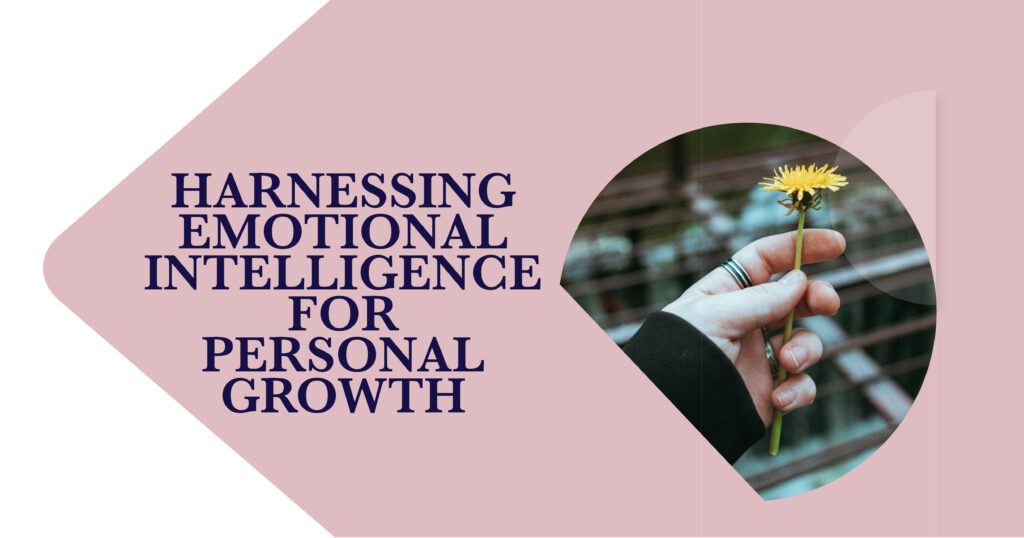
Our world often prioritizes technical skills and academic achievement. But it also takes note of emotional intelligence, which stands out as one of the most powerful predictors of personal and professional success. This critical ability to recognize, understand, and manage emotions, of yourself and of others, shapes every aspect of life, including romance and work.
People are not born with emotional intelligence. It’s a set of skills that can be developed and refined throughout a lifetime. Those who spend the time to cultivate these abilities end up navigating challenges better and connecting with the society around them better.
The Importance of Emotional Intelligence in Daily Life
Emotional intelligence influences nearly every interaction and decision. Unlike IQ, which remains relatively stable throughout life, emotional intelligence improves and that’s why it is a dynamic tool for personal growth.
Core components of emotional intelligence:
- Self-awareness
- Self-regulation
- Motivation
- Empathy
- Social skills
Why emotional intelligence matters:
- Improves communication and of course reduces misunderstandings
- Better decision-making by relying more on emotional data
- Strengthens relationships at home and work
- Strengthens resilience and improves mental health
- Boosts leadership effectiveness and career success
Real-world applications include:
- Navigating difficult conversations with composure
- Making career decisions that align with values
- Building strong personal and professional networks
- Parenting with patience and understanding
People with high emotional intelligence generally have a much better quality of life. Their mental health is better, people tend to connect with them better, and they’re just generally satisfied with life. They’re more adaptable to change, recover more quickly from setbacks, and handle stress more effectively than those with lower emotional intelligence.
Research consistently shows that emotional intelligence predicts success in various life domains more accurately than traditional measures of intelligence. It’s the difference between knowing what to do and actually being able to do it, especially when emotions run high.

The Role of Self-Awareness in Personal Growth
Self-awareness is the foundation of emotional intelligence. If you cannot accurately recognize your own emotions, triggers, strengths, and limitations, developing other emotional intelligence skills can be very difficult.
What self-awareness includes:
- Emotional awareness: Knowing how you’re feeling in real-time
- Accurate self-assessment: Having a realistic view of strengths and weaknesses
- Self-confidence: Feeling worthy
- Pattern recognition: Noticing recurring responses
- Values clarity: Knowing what matters most
Benefits of increased self-awareness
- Better understanding of what triggers a strong reaction
- Ability to recognize when emotions are clouding judgment
- You are better able to spot areas where self-growth and development is required.
Developing self-awareness
First and best advice to becoming more self-aware is to start noticing thoughts and feelings without judgment. Keep an emotion journal to track patterns in your emotional responses. Seek feedback from trusted others about how they perceive you.
Reflect regularly. Set aside time for self-examination. Name emotions using vocabulary beyond “good” or “bad.” Notice how your body reacts (keeps the score) and start linking it to your emotions. Question assumptions and examine why you believe certain things.
Common self-awareness challenges
- Difficulty identifying specific emotions
- Mistaking thoughts for feelings
- Avoiding uncomfortable emotions
- Caring about just yourself
- Inability to break away from cultural or family norms against emotional expression
Self-awareness helps personal growth by revealing where a person is now and where they want to go. Change is not possible without acknowledgment and that’s why transformation can only begin with self-awareness.
Empathy as a Key Component of Emotional Intelligence
Empathy is the ability to understand and share others’ feelings. With it, emotional intelligence extends beyond a useful internal skill to a powerful interpersonal tool. There are types.
Types of empathy
First, we have cognitive empathy which is about understanding the perspective of another on an intellectual level. Emotional empathy entails feeling what another person feels. And there’s compassionate empathy which is being moved to help based on understanding
Why empathy matters
- Builds trust and deeper connections
- Reduces conflicts because you understand others better
- Teaches how to communicate effectively
- Supports inclusive thinking
Developing empathy
- Listen actively without thinking of how to respond
- Suspend judgment and hold back criticism
- Ask questions to understand others’ experiences
- Observe nonverbal cues like body language and tone
- Really try to see things from the perspective of others
Empathy in action
- Responding to a colleague’s frustration with understanding
- Supporting a friend through loss without necessarily saying what they should do and should have done better
- Negotiating with genuine awareness of everyone on the table’s needs
- Leading teams with sensitivity to each person’s uniqueness
While empathy is valuable, excessive empathy without boundaries will cause emotional exhaustion. Healthy empathy says “Yes, understand others but not not at the expense of your own stability.”
How Self-Regulation Enhances Emotional Stability
Self-regulation is the ability to manage emotions, thoughts, and behaviors in different situations. It’s why some people appear to naturally be calm under pressure and resist impulses that others with less regulation might succumb to.
Key aspects of self-regulation
- Managing intense feelings appropriately
- Resisting immediate gratification
- Adjusting to changing circumstances flexibly
Benefits of strong self-regulation
- Better stress management and lower anxiety
- Improved relationships through thoughtful responses
- Greater professional success and reliability
- You’re better able to achieve long-term goals
- Reduced conflicts and misunderstandings
Self-regulation strategies
- Pause before responding to create space between stimulus and response
- Use breathing techniques to calm the nervous system
- Reframe situations by taking a different view when challenges pop up
- Identify your triggers to know what test your patience
- Set boundaries to protect from overwhelming situations
Common self-regulation challenges
- Stress eating
- Angry outbursts
- Procrastination when facing difficult tasks
- Defensive reactions to feedback
- Impulsiveness
To build self-regulation, be first aware of current patterns and practice alternative responses in low-stakes situations. Gradually increase the difficulty level as skills grow in strength. Self-regulation is like a muscle so it depletes with overuse but strengthens with regular practice.
Developing Social Skills for Better Relationships
Social skills is how emotional intelligence is applied in interpersonal interactions. They enable you to navigate complex social situations, and influence others in a good way.
Essential social skills
- Communication: Expressing thoughts and feelings clearly
- Conflict management: Resolving disagreements constructively
- Collaboration: Working effectively with others
- Influence: Inspiring and guiding others
- Leadership: Bringing out the best in people
- Building bonds: Creating and maintaining relationships
Why social skills matter
Many times, career advancement depends more on social skills than technical abilities. And strong relationships require effective communication. Effective leadership also relies on the ability to inspire and influence. Not to mention the personal satisfaction that shoots up when your social connections are of the highest quality.
Opportunities also come through networks and relationships.
How to improve social skills
- Practice active listening by giving full attention to speakers
- Read social cues by noticing body language, tone, and context
- Develop conversation skills to engage meaningfully
- Express appreciation and acknowledge others’ contributions
Interpersonal skills in action include:
- Giving feedback that motivates not discourages
- Collaborating on projects with differing perspectives
- Leading teams through change and uncertainty
- Navigating family dynamics during holidays
In the digital age, developing social skills includes both in-person and online interactions. Learning to communicate effectively via text, email, and video requires awareness of how emotions translate (or don’t) through different mediums.
Emotional Awareness and Its Influence on Decision-Making
Emotional awareness is the ability to recognize and understand emotions as they occur, and it plays a crucial role in making decisions that align with your values.
How emotions influence decisions
- Provide valuable information about what matters
- Signal when something doesn’t align with values
- Motivate action toward goals
- Warn of potential dangers or risks
Without emotional awareness, decisions might be based on feelings we’re not even aware of. However, when we’re able to combine emotional wisdom with logical analysis, we make better choices.

Improving decision-making through emotional awareness
- Notice emotional signals and pay attention to gut feelings
- Identify emotion sources to understand why certain feelings arise
- Balance emotion and logic by using both types of information
Common emotional decision-making pitfalls
- Making major decisions during emotional highs or lows
- Avoiding necessary choices due to fear or anxiety
- Following anger into regrettable actions
- Letting guilt drive decisions against one’s interests
- Allowing others’ emotions to override judgment
Making better emotional decisions
- Acknowledge emotions without letting them dictate choices
- Gather relevant information objectively
- Consider multiple perspectives
- Align decisions with long-term values and goals
Emotional awareness means understanding how emotions provide valuable data while ensuring they inform rather than control decisions.
Enhancing Emotional Intelligence with Support from Los Angeles Mental Health
Developing emotional intelligence is a journey that benefits from professional guidance and support. At Los Angeles Mental Health, experts help people strengthen their self-awareness, empathy, self-regulation, and social skills for greater personal and professional success.
Our emotional intelligence services:
- Individual therapy: Personalized work on emotional intelligence development
- Skills training: Practical exercises for building EQ competencies
- Self-awareness work: Deep exploration of emotions, patterns, and triggers
- Relationship coaching: Applying emotional intelligence to improve connections
- Leadership development: Using EQ for more effective leadership
- Stress management: Building self-regulation for challenging situations
Why choose Los Angeles Mental Health
- Evidence-based approaches to emotional intelligence development, experienced therapists skilled in EQ training
- Customized programs for individual needs and goals
- Safe environment for exploring emotions and practicing new skills
- Tools and techniques applicable immediately,
- Ongoing support as abilities develop and refine
Whether it’s improving relationships or becoming better at managing stress, emotional intelligence is a skill that will not ever go out of fashion. Even for the seemingly simple benefit of understanding oneself better, an emotionally intelligent person is by far closer to happiness than those who are not.
Contact Los Angeles Mental Health today to begin the journey toward greater emotional intelligence and personal growth.
Visit us at Los Angeles Mental Health to learn more about how emotional intelligence can be harnessed for a more fulfilling life.
FAQs
How does self-awareness contribute to improving interpersonal skills and emotional intelligence?
Self-awareness, by helping people better understand their triggers and communication patterns, is the basis for all interpersonal skills. When people understand their emotions and reactions, they can better regulate responses, communicate more authentically, and recognize similar patterns in others, creating the foundation for empathy and stronger relationships.
What role does empathy play in enhancing social skills and building better relationships?
Because empathy brings an understanding of others’ perspectives, emotions, and needs, interactions move from transactional exchanges into meaningful connections. By recognizing and validating others’ feelings, empathy strengthens trust, reduces conflicts, improves communication effectiveness, and creates the emotional safety necessary for deep, lasting relationships both personally and professionally.
In what ways can self-regulation lead to greater adaptability in both personal and professional contexts?
Self-regulation provides the stability and control necessary to respond flexibly to unexpected changes and diverse situations rather than reacting in auto-pilot mode. When emotional responses are managed effectively, people are able to remain calm under pressure, even thinking clearly enough to adapt strategies when circumstances change, and that makes them more resilient and effective across all life domains.
How does motivation influence emotional awareness and decision-making in daily life?
Motivation with emotional intelligence helps in recognition of goals that truly align with a person’s core value system so that their choices gravitate toward meaning not superficial or external rewards.
Why are adaptability and emotional intelligence crucial for thriving in a rapidly changing world?
In today’s fast-paced, AI-first environment with so many changes, emotional intelligence provides the self-awareness, stress management, and relationship skills necessary to navigate uncertainty, learn from setbacks, and remain effective. Adaptability powered by emotional intelligence enables individuals to continuously grow rather than becoming overwhelmed or stuck when familiar patterns no longer work.