Skip to content







At some point, it gets you. Maybe it’s three in the morning and the thought just shows up out of nowhere, that one day you’ll stop existing, and the floor drops away for a second. Maybe a funeral does it, or a bad scan, or a kid asking where people go when they die. The fear of death might be the most human thing we’ve got, and the usual way we deal with it is to not look straight at it.
That works fine, until something cracks it open, and for some people it never quite closes again. The fear starts steering choices they’d never trace back to it. So that’s the territory here, where it comes from, when it turns into a real problem, and what helps.
What Is Thanatophobia and Why It Matters
Thanatophobia is the clinical word for an intense, ongoing fear of death or dying. It’s Greek, it’s all over the internet, and the useful thing to know is how clinicians handle it: usually as a specific phobia, which falls under anxiety disorders. The dividing line is simple enough in theory. Knowing you’ll die one day is normal, everybody carries that around. It tips into thanatophobia when the awareness won’t sit quietly in the background anymore, when it becomes a steady dread that tags along and starts getting in the way of your life.
| Normal fear of death | Thanatophobia |
| Comes and goes with reminders | Lingers for months on end |
| Uncomfortable but manageable | Overwhelming and hard to shake |
| You can set it aside and live | It pulls you out of daily life |
| Fades after a scare or a funeral | Sticks around with no clear trigger |
How Mortality Anxiety Differs From Normal Grief
People mix up death anxiety and grief sometimes, but they run on different tracks. Grief comes after a loss. It’s attached to a particular person, and slowly it settles into something you can live with. Mortality anxiety faces the other way, toward a loss that hasn’t happened and definitely will. It’s less about one person being gone and more about the plain fact of the exit, yours or the people you can’t picture losing. The two overlap, since a death in your life often kicks off a stretch of mortality anxiety, but they need different things from you.
The Physical and Psychological Toll of Death Anxiety
This fear is not just a head thing. When death anxiety really spikes, your body reacts like there’s an actual threat in the room:
- A racing heart, tight chest, or trouble catching your breath
- Panic attacks
- Trouble falling asleep
- Hours lost to spiraling thoughts about dying
The Psychology Behind Our Fear of Mortality
There’s a reason we’re built like this. A well-known theory in psychology, terror management theory, makes the case that a startling amount of what humans do is really about coping with the knowledge that we’re going to die. We might be the only creature that spends its whole life aware of its own expiration date, which is a heavy thing to carry. So we build things to push back, religion, kids, work we hope outlives us, art. There’s nothing broken about that. It’s how people make a short life feel like it counts.
Existential Dread and the Loss of Control
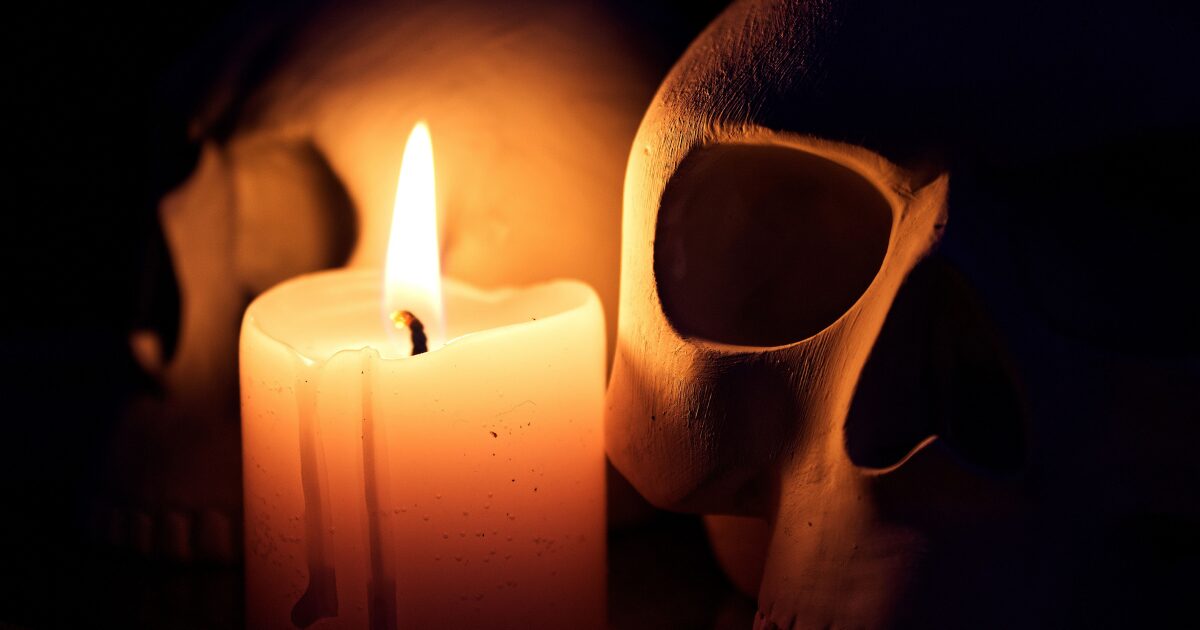
A lot of death anxiety is really a control problem, or the fact that there’s no control to be had. Death is the one thing you can’t reschedule, argue with, or get out of, and if you cope by managing life carefully, that helplessness is hard to stomach. Existential dread is loudest in the planners. You can eat right, exercise, buckle up, read every health study going, and there’s still no guarantee anywhere.
How End of Life Concerns Shape Daily Decisions
Even when it never becomes full thanatophobia, a quiet fear of death ends up steering more of our choices than we’d ever admit:
- Avoiding doctors and skipping checkups, in case they find something
- Pouring yourself into work or status, chasing a kind of permanence
- Gripping routines and control wherever you can get them
- Shying away from big risks, or swinging the other way into reckless ones
- Steering every conversation away from anything to do with dying
The National Institute on Aging points out that putting a plan in place, talking through your wishes and writing them down, makes you more likely to get the care you would want, and can spare the people you love a lot of guilt and second-guessing later. For some people, knowing that side of things is handled lets them set a piece of the fear aside.
Existential Fear in Modern Culture
It probably doesn’t help that we’ve built a whole society around keeping death out of sight. For most of history, people died at home, and everyone had seen it up close. Now dying mostly happens in hospitals, the old get quietly moved out of view, and the closest a lot of us come to it is a fake version on a screen. We’re more insulated from the real thing than almost anyone before us, and somehow more freaked out about it.
Coping Strategies for Managing Existential Anxiety
You can’t logic your way out of being mortal, so erasing the fear completely was never the assignment. The point is getting it down to a size where it stops running your days. Some things that help with that:
- Name it instead of dodging it, since saying I am scared of dying drains off some of its charge
- Talk to someone, a friend or a therapist, because saying it out loud shrinks it
- Pour energy into whatever makes your life feel meaningful, the real counter to dread
- Lean on grounding tricks like slow breathing when the panic hits
- Ease off the doomscrolling and the late-night death googling
The CDC notes that fear often gets triggered by the unknown and uncertain, which is exactly what death is, and that working through it with cognitive behavioral therapy can help you manage it.
Professional Support for Thanatophobia at Los Angeles Mental Health
At Los Angeles Mental Health, we work with people on death anxiety and everything that rides with it, the panic, the avoidance, the existential dread.
Making peace with your own mortality isn’t an overnight job, but white-knuckling it alone isn’t the only option either. Reach out to Los Angeles Mental Health when you’re ready, and we’ll help you carry it better.
FAQs
-
Can thanatophobia physically manifest as chest pain or shortness of breath?
Yes. When death anxiety kicks off a panic response, your system floods with adrenaline, and that can bring on chest tightness, a hammering heart, and real trouble breathing. It can feel exactly like a medical emergency, which naturally cranks the fear of dying up another notch. One serious caveat, though: chest pain and shortness of breath can also point to a real physical issue, so anything new or intense is worth a doctor’s check rather than something to write off as anxiety on your own.
-
How does mortality anxiety affect sleep quality and nighttime panic attacks?
Nighttime hits a lot of people the hardest. The day’s distractions drop away, it’s dark and quiet, and the mind heads straight for the big frightening questions. That can make falling asleep tough, or wake you at 3 a.m. with a jolt of panic. And short sleep makes the next day’s anxiety worse, so it loops. Wind-down routines, keeping your bed for sleeping, and learning to talk yourself down from a racing mind all help, and if the night panic keeps coming, it’s worth taking to a professional.
-
Why do some people develop paralyzing existential fear while others don’t?
There’s no one cause, it’s usually a mix. Research ties heavier death anxiety to things like low self-esteem, feeling like your life hasn’t amounted to what you hoped, ongoing health problems, and not having a religious or spiritual framework to lean on. A specific event often lights the fuse, a close call, a sudden loss, a scary diagnosis. And some of it is plain wiring, since people who lean anxious in general tend to feel this particular fear more sharply too.
-
Does acknowledging death anxiety actually reduce or intensify existential dread over time?
For most people, facing it helps more than it hurts, even though it can feel worse for a bit at the start. Dodging the fear is what keeps it strong, since it never gets tested against anything. Naming it and sitting with it, ideally with some support, tends to wear down the intensity over time. There’s often a rough stretch early on, when you quit avoiding and the feelings come up, but past that, most people end up less ruled by the dread, not more.
-
Can end of life planning help ease constant death anxiety and worry?
It can, for plenty of people. Getting the practical side sorted, a will, an advance directive, your wishes written down, pulls a big chunk of the unknown off the table, and the unknown is a huge part of what powers the fear. The National Institute on Aging notes that only about one in three Americans has a plan in place, and that having one can spare your family a lot of guilt and second-guessing down the road. It doesn’t suit everyone, since some find the planning itself stirs things up, so go at your own pace, and lean on other support too if the worry runs deep.