Skip to content








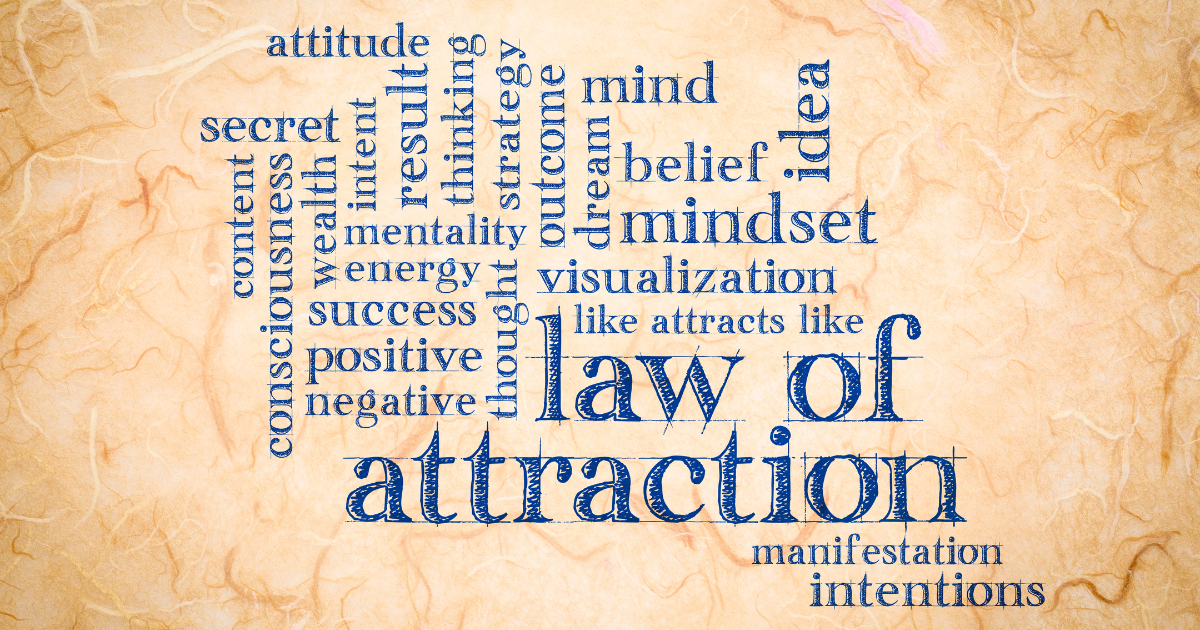
The concept of attracting what you want through focused thought — often called the law of attraction — has become a cultural phenomenon, with millions of people practicing these techniques and exploring whether positive thinking can reshape their reality. While the popularity of these practices reflects a genuine human desire for agency and hope, the relationship between these beliefs and mental health is more complex than many realize.
To understand how this framework intersects with psychological well-being, we must separate evidence-based principles from magical thinking. Some aspects of manifestation align with legitimate therapeutic approaches, while others can actually harm people struggling with clinical mental health conditions. This article examines the scientific evidence on manifestation, identifying when these practices support wellness and when they create obstacles to genuine recovery.
The Psychology Behind Manifestation and Positive Thinking
The law of attraction rests on the premise that thoughts directly create reality through energetic vibration or universal forces. While this metaphysical claim lacks scientific support, the psychological mechanisms underlying some manifestation practices are well-documented. Cognitive reframing strategies, a cornerstone of cognitive behavioral therapy, demonstrate that changing thought patterns genuinely influences emotional states and behavioral choices. When someone shifts from “I’ll probably fail” to “I can learn from this challenge,” they’re not attracting different circumstances through cosmic energy but rather priming themselves to notice opportunities and persist through obstacles.
Self-fulfilling prophecy psychology explains much of what people attribute to attraction. Research consistently shows that expectations shape outcomes through concrete pathways: confident individuals make more attempts, interpret setbacks as temporary, and signal competence to others through body language and communication. This isn’t mystical but rather a documented feedback loop between belief, behavior, and social response.
| Evidence-Based Principle | Actual Mechanism | Common Misattribution |
|---|---|---|
| Goal Visualization | Activates motor cortex and planning networks | Sends desires to the universe |
| Positive Expectancy | Increases persistence and opportunity recognition | Vibrates at the frequency of the desired outcome |
| Gratitude Practice | Shifts attention toward positive experiences | Attracts more things to be grateful for |
| Affirmations | Counters automatic negative thoughts | Reprograms subconscious to manifest desires |
Evidence-Based Manifestation Techniques That Support Mental Wellness
When stripped of magical claims, several practices associated with the law of attraction align closely with therapeutic interventions. Understanding how to manifest your goals through concrete action rather than wishful thinking transforms these techniques from pseudoscience into practical tools.
Gratitude practice benefits are among the most robustly documented in positive psychology research. Regularly noting things you appreciate trains attention toward positive aspects of experience without denying difficulties. This isn’t about pretending problems don’t exist but rather preventing the negativity bias inherent in human cognition from dominating your entire perspective. Studies show that consistent gratitude journaling correlates with improved mood, better sleep quality, and increased relationship satisfaction over time.
Effective practices that support mental health include:
- Setting specific, measurable goals with concrete action steps rather than vague wishes. “I want to feel better” becomes “I will attend therapy weekly and practice three coping skills daily.”
- Using mental rehearsal to prepare for challenging situations, imagining yourself navigating obstacles successfully while also planning for potential setbacks.
- Creating environmental cues that support desired behaviors, such as laying out exercise clothes the night before or setting phone reminders for medication.
- Building accountability through social support rather than relying solely on internal willpower or cosmic assistance.
- Practicing self-compassion when setbacks occur instead of interpreting them as evidence of insufficient positive thinking.
The question “Does manifesting really work?” depends entirely on what you mean by manifesting. If you’re asking whether focused intention combined with strategic action increases the likelihood of achieving goals, research says yes. If you’re asking whether thinking about money will cause cash to materialize, the answer is no. The distinction matters tremendously for positive thinking and mental health outcomes.
When These Beliefs Harm Mental Health
The darker side of this framework emerges when people interpret their mental health struggles as personal failures of manifestation. Someone experiencing clinical depression may conclude that their “negative thoughts” are attracting more negativity, creating a vicious cycle of self-blame layered on top of existing symptoms. This represents a fundamental misunderstanding of mood disorders, which have neurobiological components.
Toxic positivity, the insistence on maintaining optimistic outlooks regardless of circumstances, often accompanies strict adherence to law of attraction principles. When people believe that acknowledging pain or fear will manifest more suffering, they suppress genuine emotions that need processing. This emotional avoidance interferes with healthy grief, prevents necessary problem-solving, and can intensify anxiety over time.
For individuals with trauma histories, the suggestion that they attracted their abuse through thoughts or energy can be profoundly damaging. Similarly, telling someone with generalized anxiety disorder that their worry is manifesting the very outcomes they fear ignores the neurological reality of the condition. These beliefs delay or replace necessary professional treatment, with people spending years trying to think their way out of conditions that respond to therapy and sometimes medication.
Warning Signs That Manifestation Practices Are Replacing Needed Care
Several indicators suggest that law of attraction beliefs have crossed from potentially helpful to actively harmful. If you find yourself avoiding medical or psychiatric appointments because you believe seeking help signals a lack of faith in manifestation, this represents dangerous magical thinking. When symptoms worsen despite months of affirmations and vision boards, continuing the same approach without professional intervention keeps you stuck.
Blaming yourself for traumatic events, financial hardship, or relationship problems because you supposedly attracted them through insufficient positivity indicates that these beliefs are causing psychological harm. Mental health conditions like major depression, bipolar disorder, PTSD, and anxiety disorders require evidence-based treatment.
| Helpful Practice | Harmful Distortion |
|---|---|
| Noticing and challenging unhelpful thought patterns | Believing any negative thought will manifest as a disaster |
| Setting goals and taking aligned action | Expecting outcomes without effort through thought alone |
| Cultivating optimism while acknowledging reality | Suppressing genuine emotions to maintain constant positivity |
| Using visualization alongside skill-building | Replacing therapy or medical care with mental imagery |
| Taking responsibility for your responses to situations | Blaming yourself for trauma, illness, or systemic barriers |
Integrating Positive Psychology With Professional Mental Health Care
The valuable elements within law of attraction and manifestation practices, stripped of pseudoscientific claims, already exist within evidence-based therapy. Cognitive behavioral therapy teaches cognitive reframing strategies that genuinely improve emotional regulation and behavioral outcomes. Acceptance and commitment therapy helps people clarify values and take committed action, while mindfulness-based approaches cultivate present-moment awareness without denying difficult realities.
Licensed therapists can help you distinguish between helpful positive psychology techniques and beliefs that may be keeping you stuck. Professional treatment addresses underlying conditions like depression and anxiety while supporting the development of genuine resilience and self-efficacy.

Attracting Real Wellness Through Evidence-Based Care at Los Angeles Mental Health
True mental health transformation happens not through cosmic forces but through the hard, rewarding work of therapy, skill-building, and sometimes medication when appropriate. If you’ve been struggling with anxiety, depression, or other mental health concerns while trying to manifest your way to wellness, professional support can help you develop strategies that actually work. Los Angeles Mental Health offers comprehensive treatment that integrates the legitimate psychological principles behind positive thinking with evidence-based therapeutic approaches tailored to your specific needs. Our licensed clinicians understand the appeal of manifestation concepts and can help you separate helpful practices from beliefs that may be holding you back. Contact us today to learn how professional mental health care can support your genuine goals for healing and growth.
FAQs
Here are answers to common questions about the relationship between the law of attraction and mental health.
1. Does the law of attraction actually work according to science?
The metaphysical claim that thoughts emit vibrations that attract matching circumstances lacks scientific support. However, psychological mechanisms like goal-setting, attention bias, self-fulfilling prophecy psychology, and behavioral activation do explain why focused intention combined with action often leads to desired outcomes.
2. Can manifestation techniques help with anxiety and depression?
Some practices associated with manifestation, such as gratitude journaling and visualization exercises for success, can complement professional treatment for mood and anxiety disorders. These techniques should never replace therapy or medication when clinically indicated, as mental health conditions require evidence-based care to resolve.
3. What’s the difference between positive thinking and toxic positivity?
Healthy positive thinking acknowledges difficulties while maintaining hope and taking constructive action. Toxic positivity insists on suppressing negative emotions and maintaining constant optimism regardless of circumstances, which prevents necessary emotional processing and can worsen mental health over time.
4. Are visualization exercises effective for achieving goals?
Mental rehearsal activates neural pathways similar to physical practice, which can improve performance in areas like athletics, public speaking, and skill acquisition. Visualization works best when combined with actual practice and concrete action steps rather than used as a substitute for effort.
5. When should I seek professional help instead of relying on manifestation?
If symptoms of depression, anxiety, or other mental health concerns persist for more than two weeks, interfere with daily functioning, or cause significant distress, professional evaluation is essential. Manifestation practices should never delay or replace needed psychiatric or psychological treatment for clinical conditions.