Skip to content








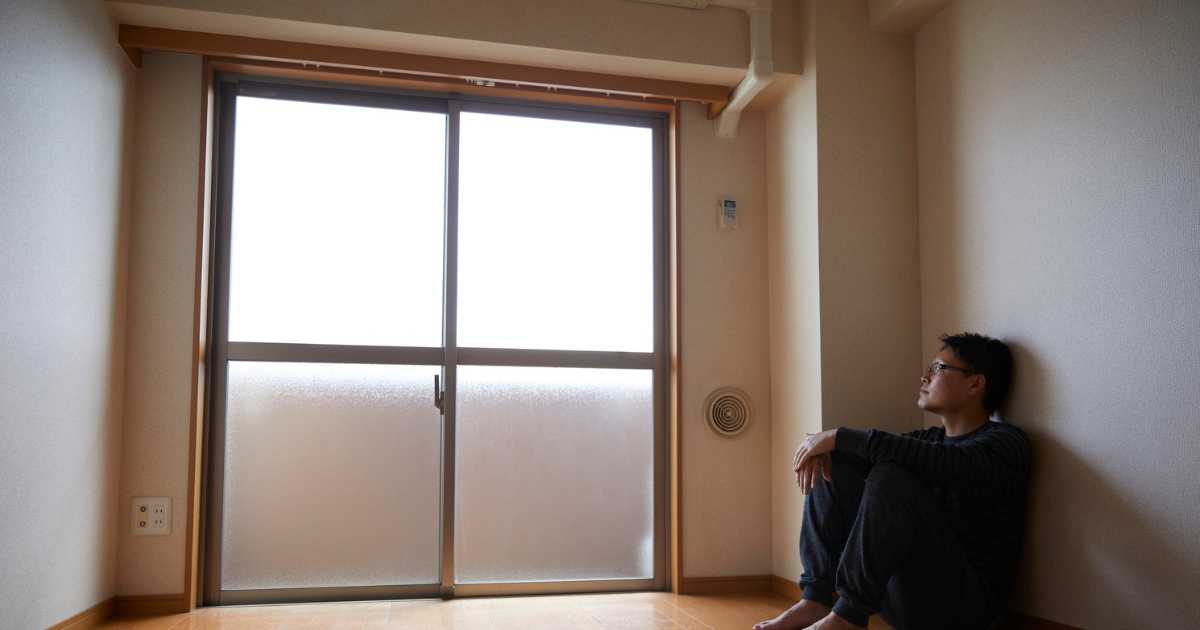
Loneliness is a universal human experience, yet when it persists beyond temporary circumstances, it can evolve into a serious mental health concern. While brief periods of feeling disconnected are normal during life transitions or after relocations, chronic emotional isolation affects brain chemistry, stress hormones, and overall psychological well-being. Understanding the difference between occasional solitude and persistent isolation is the first step toward recognizing when professional support becomes necessary.
Research shows that prolonged social disconnection activates the same neural pathways as physical pain, triggering stress responses that compound over time. This article explores how persistent isolation impacts mental health, identifies warning signs that warrant clinical attention, and outlines evidence-based approaches to rebuilding meaningful connection. Whether you’re navigating temporary disconnection or struggling with long-term emotional isolation, recognizing when self-help strategies aren’t enough can be life-changing.
The Mental Health Impact of Chronic Loneliness
When social isolation effects extend beyond a few weeks, the brain interprets the disconnection as a threat to survival. The hypothalamic-pituitary-adrenal axis remains activated, flooding the body with cortisol and adrenaline. This chronic stress response rewires neural pathways, particularly in regions governing emotional regulation and social cognition. The prefrontal cortex shows reduced activity, while the amygdala becomes hypervigilant, creating a feedback loop where isolated individuals perceive social interactions as increasingly threatening.
Neurotransmitter systems also shift under prolonged isolation. Dopamine and serotonin levels drop, mirroring the biochemical patterns seen in clinical depression. This overlap explains why chronic symptoms often include persistent sadness, anhedonia, and difficulty experiencing pleasure. The condition also accelerates cognitive decline in older adults, with studies linking sustained emotional isolation to increased dementia risk and faster progression of age-related memory impairment.
The Physical Cascade of Social Disconnection
The loneliness mental health impact extends to physical systems. Inflammation markers rise, immune function weakens, and cardiovascular stress increases. Sleep architecture deteriorates, with individuals experiencing more fragmented rest and less restorative deep sleep. These physiological changes create a cascade effect: poor sleep worsens mood regulation, weakened immunity increases illness frequency, and physical discomfort further limits social engagement.
| Brain System Affected | Observed Changes | Mental Health Consequence |
|---|---|---|
| Prefrontal Cortex | Reduced activity and volume | Impaired decision-making and emotional control |
| Amygdala | Heightened reactivity | Increased anxiety and threat perception |
| HPA Axis | Chronic cortisol elevation | Sustained stress response and mood instability |
| Neurotransmitter Systems | Lowered serotonin and dopamine | Depressive symptoms and anhedonia |
Warning Signs Your Isolation Needs Professional Attention
Distinguishing between temporary disconnection and clinical-level isolation requires attention to both duration and intensity. When does emotional isolation become clinically significant? The answer lies in both duration and functional impairment. Occasional feelings of being alone during major life changes are expected, but when these feelings persist beyond two to three months or begin interfering with work, relationships, or daily functioning, professional evaluation becomes important. The shift from situational to chronic occurs when the distress no longer correlates with external circumstances.
Understanding the difference between loneliness and depression is crucial for appropriate intervention. While isolation centers on perceived social disconnection, depression encompasses broader symptoms including persistent low mood, loss of interest in previously enjoyed activities, appetite changes, and feelings of worthlessness. However, the two frequently co-occur, and sustained isolation significantly elevates depression risk. Recognizing the isolation and depression difference helps determine whether treatment should focus primarily on rebuilding social connection, addressing mood symptoms, or both simultaneously. When someone asks “why do I feel lonely all the time” despite being surrounded by others, the answer often points to unmet needs for authentic intimacy rather than mere physical presence.
Behavioral patterns provide clear indicators that isolation has crossed into clinical territory. Key warning signs include:
- Physical manifestations such as unexplained aches, digestive problems, or frequent illness due to compromised immune function.
- Sleep disruption patterns including difficulty falling asleep, early morning waking, or sleeping excessively as an escape mechanism.
- Progressive withdrawal from previously maintained relationships, declining invitations, and avoiding social opportunities even when they arise.
- Persistent negative thought cycles, including catastrophizing about social interactions or believing others find you burdensome.
- Suicidal ideation or thoughts that life lacks meaning, even if no specific plan exists.
If you or someone you know is experiencing thoughts of self-harm, call or text 988 to reach the Suicide and Crisis Lifeline, available 24 hours a day. When chronic loneliness symptoms interfere with work performance, strain existing relationships, or create significant daily distress, professional support helps address both the underlying isolation and any co-occurring mental health conditions.
Evidence-Based Approaches to Rebuilding Connection
Effective coping with loneliness strategies range from self-directed behavioral changes to structured therapeutic interventions, depending on severity and duration of symptoms. Clinical treatment for persistent isolation typically begins with cognitive-behavioral interventions that target the thought patterns maintaining disconnection. Many individuals experiencing chronic emotional isolation develop maladaptive beliefs about social interactions, such as assuming others will reject them or that reaching out demonstrates weakness. Cognitive restructuring helps identify and challenge these automatic thoughts, replacing them with more balanced perspectives that reduce anticipatory anxiety about social engagement.
Approaches that show strong research support include graduated exposure to social situations, starting with low-stakes interactions and progressively building toward more meaningful connections. This might involve brief conversations with baristas or cashiers before advancing to joining interest-based groups or attending community events. The goal is not quantity of interactions but quality, focusing on relationships that provide genuine reciprocity and shared values rather than superficial contact.
Technology’s Double-Edged Role in Connection
Technology presents a complex dynamic in addressing isolation. Digital platforms can facilitate initial connection for individuals with mobility limitations, social anxiety, or geographic isolation. Online support groups, video therapy sessions, and interest-based forums provide accessible entry points for those who find in-person interaction overwhelming. However, research consistently shows that digital connection alone rarely resolves the condition, and excessive social media use often intensifies feelings of inadequacy and comparison. Effective strategies use technology as a bridge to in-person interaction rather than a replacement.
When Self-Help Isn’t Enough
Personal efforts to overcome feeling alone have limits, even when you’re implementing evidence-based strategies. If you’ve implemented connection strategies for weeks without improvement, or if isolation co-occurs with depression, anxiety, or trauma symptoms, professional intervention becomes necessary. Therapists specializing in interpersonal difficulties can identify underlying factors such as attachment insecurity, social skills deficits, or unresolved grief that self-help approaches cannot address.
| Intervention Level | Appropriate For |
|---|---|
| Self-directed strategies | Recent life transitions, mild disconnection lasting under 8 weeks, no co-occurring mental health symptoms |
| Outpatient therapy | Persistent isolation beyond 2-3 months, moderate distress, difficulty initiating social contact, mild to moderate depression or anxiety |
| Intensive outpatient or residential treatment | Severe isolation with suicidal ideation, inability to maintain daily functioning, treatment-resistant symptoms |

Connection Starts Here at Los Angeles Mental Health
Persistent isolation doesn’t resolve through willpower alone, and seeking professional support is a sign of strength. At Los Angeles Mental Health, our clinical team specializes in treating the complex interplay between social disconnection and mental health conditions. We offer evidence-based therapies including cognitive-behavioral therapy, interpersonal therapy,erapy and group treatment designed to address both the symptoms and root causes of chronic emotional isolation. Our approach combines individual sessions to process underlying factors with structured group experiences that provide safe opportunities to practice connection skills. Whether you’re navigating recent life changes or struggling with long-standing patterns of disconnection, our compassionate clinicians create personalized treatment plans that honor your unique circumstances. Contact us today to learn how professional support can help you build the meaningful relationships you deserve.
FAQs
Common questions about isolation, connection, and when to seek professional support:
1. What is the difference between loneliness and depression?
Loneliness describes the distressing feeling of being disconnected from others, while depression is a clinical mental health condition with broader symptoms including persistent sadness, loss of interest, and physical changes. However, chronic isolation significantly increases depression risk, and the two often co-occur, requiring professional assessment to distinguish and treat appropriately.
2. Can persistent isolation cause physical health problems?
Yes, sustained emotional disconnection triggers physiological stress responses that increase inflammation, weaken immune function, and elevate risks for cardiovascular disease and high blood pressure. Research shows that the physical health impact of chronic isolation is comparable to smoking 15 cigarettes daily, affecting both longevity and quality of life.
3. Why do I feel lonely even when surrounded by people?
Emotional disconnection stems from lack of meaningful connection rather than physical presence, meaning you can feel isolated in crowds or relationships lacking depth. This often indicates unmet needs for authentic intimacy, understanding, or shared values that superficial interactions don’t satisfy, and it’s a common experience that therapy can effectively address.
4. How long does isolation last before it becomes a mental health concern?
Occasional feelings of disconnection lasting days or weeks are normal during life transitions, but when these feelings persist beyond two to three months or significantly impair daily functioning, professional evaluation is warranted. If isolation accompanies suicidal thoughts, severe anxiety or depression symptoms, seek immediate help regardless of duration.
5. What type of therapy works best for chronic emotional isolation?
Cognitive-behavioral therapy effectively addresses negative thought patterns that perpetuate disconnection, while interpersonal therapy focuses on improving relationship skills and social connection. Group therapy provides both therapeutic benefit and built-in social interaction, often yielding strong outcomes for isolation-related concerns when combined with individual sessions.