Skip to content








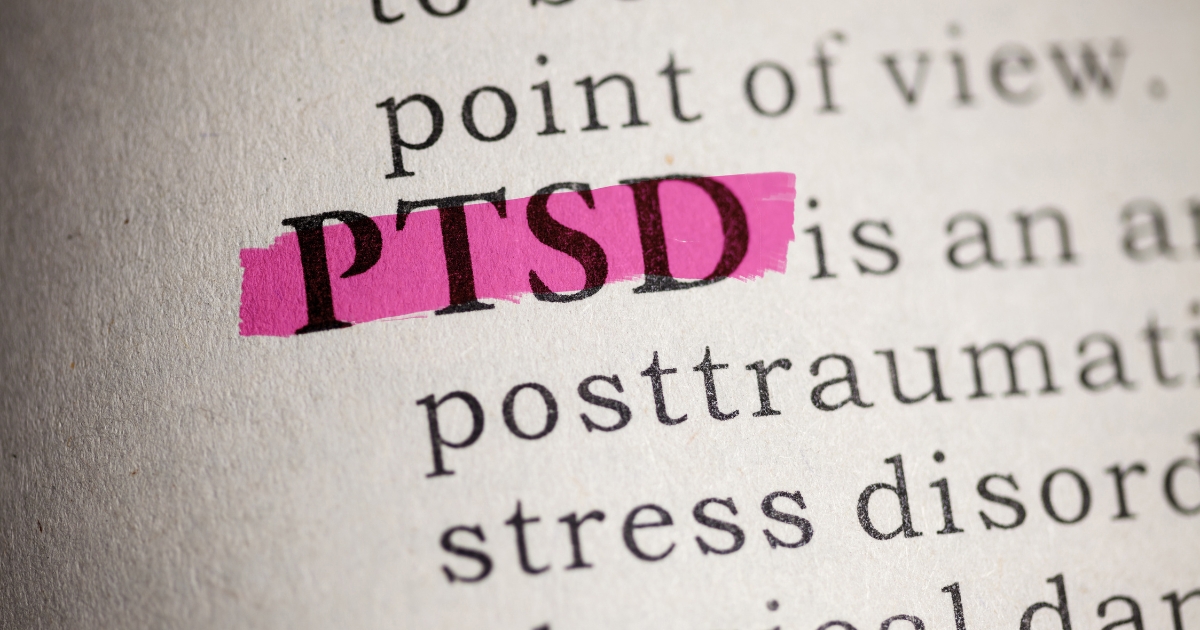
Post-traumatic stress disorder — commonly known by its acronym PTSD — is a mental health condition triggered by experiencing or witnessing a traumatic event. While many people associate PTSD exclusively with combat veterans, the disorder can develop in anyone exposed to trauma, including survivors of assault, accidents, natural disasters, or other life-threatening situations. The question of what PTSD means begins with recognizing that not everyone who experiences trauma develops this condition, and not every stress reaction qualifies as a diagnosable disorder.
The distinction between a normal trauma response and clinical PTSD lies in the severity, duration, and impact of symptoms. Most people experience distress immediately following a traumatic event — nightmares, hypervigilance, and intrusive memories are common in the days and weeks after trauma. These reactions become PTSD when symptoms persist beyond one month, intensify over time, and significantly interfere with daily functioning. Knowing when trauma crosses into disorder territory is essential for seeking appropriate treatment and reclaiming quality of life.
The Post-Traumatic Stress Disorder Definition: What Clinicians Look For
The American Psychiatric Association defines PTSD in the DSM-5 as a trauma- and stressor-related disorder that develops after exposure to actual or threatened death, serious injury, or sexual violence. This exposure can occur through direct experience, witnessing the event happen to others, learning that it happened to a close family member or friend, or repeated exposure to traumatic details (common among first responders and medical personnel). The clinical criteria require symptoms from four distinct clusters that persist for more than one month and cause significant distress or impairment. When asking what PTSD means from a clinical perspective, familiarity with these specific diagnostic criteria provides the answer.
- Intrusion symptoms: distressing memories that surface without warning, recurring nightmares tied to the event, or physical reactions (racing heart, sweating) when something triggers a reminder
- Avoidance behaviors: turning down invitations, changing routines, or avoiding media, conversations, or people connected to what happened
- Negative changes in thinking and mood: persistent guilt, shame, or self-blame, feeling emotionally cut off from others, or losing interest in things that used to matter
- Heightened arousal and reactivity: anger outbursts, constantly scanning for danger, feeling on edge, or engaging in risky or self-destructive behavior
The Difference Between Stress and PTSD: When Normal Becomes Clinical
Most people who experience trauma will have some form of stress response — this is natural. In the immediate aftermath of a traumatic event, symptoms like heightened alertness, difficulty sleeping, replaying the event mentally, and feeling on edge are expected and typically resolve within days to weeks. The brain processes the experience, integrates it into memory, and gradually returns to baseline functioning. This adaptive response is sometimes called acute stress reaction and represents healthy psychological processing.
The trauma response vs PTSD distinction becomes clear when symptoms either fail to diminish or worsen after the first month. While acute stress disorder shares many symptoms with PTSD, it occurs within the first month following trauma and typically resolves with time and support. PTSD develops when the nervous system remains stuck in threat mode, unable to recalibrate even when danger has passed. Several factors influence whether someone develops the disorder: prior trauma history, lack of social support, severity and duration of the traumatic event, genetic predisposition, and pre-existing mental health conditions all increase risk.
When symptoms persist and interfere with work, relationships, or daily activities, seeking professional evaluation becomes essential. Treatment helps even when symptoms have been present for years — the brain retains its capacity to heal and form new, healthier patterns of response.
| Normal Trauma Response | PTSD Symptoms |
|---|---|
| Distress decreases within 2–4 weeks | Symptoms persist or worsen after one month |
| Able to function at work and home with some difficulty | Significant impairment in daily functioning and relationships |
| Memories become less intrusive over time | Flashbacks and intrusive thoughts remain vivid and distressing |
| Gradual return to normal sleep and concentration | Chronic sleep disturbances and difficulty concentrating |
Types of PTSD Disorders and Who Can Develop Them
While the core diagnostic criteria remain consistent, clinicians recognize variations in how the condition presents. When trauma is prolonged rather than a single event, what does PTSD mean in that context? Standard PTSD typically develops after a single traumatic incident — a car accident, natural disaster, assault, or combat exposure. Complex PTSD meaning extends beyond single-event trauma to encompass the effects of prolonged, repeated trauma, often occurring in situations where escape is difficult or impossible. Survivors of childhood abuse, domestic violence, human trafficking, or long-term captivity may develop C-PTSD, which includes the core PTSD symptoms plus additional difficulties with emotional regulation, self-concept, and interpersonal relationships.
Who can develop PTSD spans every demographic and background. Combat veterans represent a well-known population, but civilian trauma is far more common. Sexual assault survivors, motor vehicle accident victims, witnesses to violence, first responders repeatedly exposed to traumatic scenes, medical personnel, and survivors of natural disasters all face elevated risk. In Los Angeles communities, specific trauma triggers include earthquakes, wildfires, and urban violence. Recognizing these variations helps reduce stigma and increase access to care. Children and adolescents can develop PTSD with symptoms that may look different from adult presentations, including regressive behaviors and trauma reenactment through play.
PTSD Symptoms and Signs Across Different Populations
Veterans may experience hypervigilance in crowded spaces, difficulty transitioning to civilian life, and moral injury related to combat experiences. First responders may develop symptoms gradually after cumulative exposure rather than a single event. Recognizing these variations helps clinicians tailor treatment approaches to individual experiences and cultural contexts.
Age and Developmental Considerations
Young children may not have the language to describe intrusive thoughts and instead show increased clinginess, separation anxiety, or loss of previously acquired skills. Adolescents might exhibit risk-taking behaviors or social withdrawal. Older adults with PTSD may face compounded challenges if trauma reactivates earlier unresolved experiences or if cognitive changes complicate treatment. Professional support helps at any age when symptoms interfere with functioning.
| PTSD Type | Trauma Origin | Key Features |
|---|---|---|
| Standard PTSD | Single traumatic event | Four core symptom clusters with clear trauma trigger |
| Complex PTSD | Prolonged, repeated trauma | Core symptoms plus emotion dysregulation and relationship difficulties |
| Delayed-Onset PTSD | Trauma occurred months or years prior | Full criteria not met until at least 6 months post-trauma |
How Clinical Assessment Clarifies What PTSD Means for You
Accurate diagnosis requires comprehensive evaluation by a mental health professional trained in trauma assessment. How is PTSD diagnosed involves structured clinical interviews like the Clinician-Administered PTSD Scale (CAPS-5), standardized self-report questionnaires, and a detailed exploration of trauma history and current symptom patterns. The assessment process explores the nature of the traumatic event, symptom onset and duration, functional impairment, and co-occurring conditions like depression or anxiety disorders. Many people with PTSD also experience other mental health conditions, making thorough evaluation essential for effective treatment planning. A comprehensive assessment answers the question of what PTSD means in the context of your complete mental health picture.
A qualified clinician differentiates PTSD from other conditions to guide treatment. Early intervention improves outcomes, and evidence-based treatments like trauma-focused cognitive behavioral therapy and eye movement desensitization and reprocessing have strong research support.

Turning Trauma Into Healing at Los Angeles Mental Health
Understanding the clinical definition and recognizing symptoms represents the first step toward recovery. Knowing what PTSD means is only the beginning — effective treatment transforms that knowledge into healing. Los Angeles Mental Health offers specialized trauma-informed care designed to address PTSD at its roots. Whether you experienced trauma recently or years ago, professional intervention can significantly reduce symptoms and restore functioning. If intrusive memories, avoidance behaviors, emotional numbness, or hypervigilance are interfering with your daily life, reaching out for an assessment is a powerful act of self-care. Recovery is possible, and you do not have to navigate this journey alone.
FAQs
These frequently asked questions address common concerns about PTSD diagnosis, symptom patterns, and treatment. If your question isn’t answered here, a mental health professional can provide personalized guidance.
1. How long after a traumatic event does PTSD develop?
PTSD symptoms typically emerge within three months of the traumatic event, though delayed-onset PTSD can occur six months or more after the trauma. The diagnostic threshold requires symptoms to persist for at least one month and cause significant distress or functional impairment.
2. Can you have PTSD without remembering the trauma?
Yes, some individuals experience PTSD symptoms without clear conscious memory of the traumatic event, particularly if the trauma occurred in early childhood or involved dissociation during the event. Diagnosis focuses on current symptom patterns and functional impact rather than requiring detailed trauma recall.
3. Is PTSD the same as having anxiety or depression?
PTSD is a distinct disorder, though it frequently co-occurs with anxiety and depression. The defining feature is the direct link between symptoms and a specific traumatic event, along with characteristic intrusion, avoidance, and hyperarousal symptoms not required for anxiety or depression diagnoses.
4. Does PTSD always start immediately after the trauma?
Not always — while most PTSD symptoms emerge within three months, delayed-onset PTSD can develop six months or even years after the traumatic event. This delayed presentation is more common when new stressors reactivate unprocessed trauma or when life circumstances finally allow space to process what happened.
5. Can PTSD go away on its own without treatment?
While some individuals experience symptom reduction over time, PTSD rarely resolves fully without professional intervention. Evidence-based treatment significantly improves outcomes and reduces the risk of chronic symptoms, co-occurring disorders, and long-term functional impairment.