Skip to content








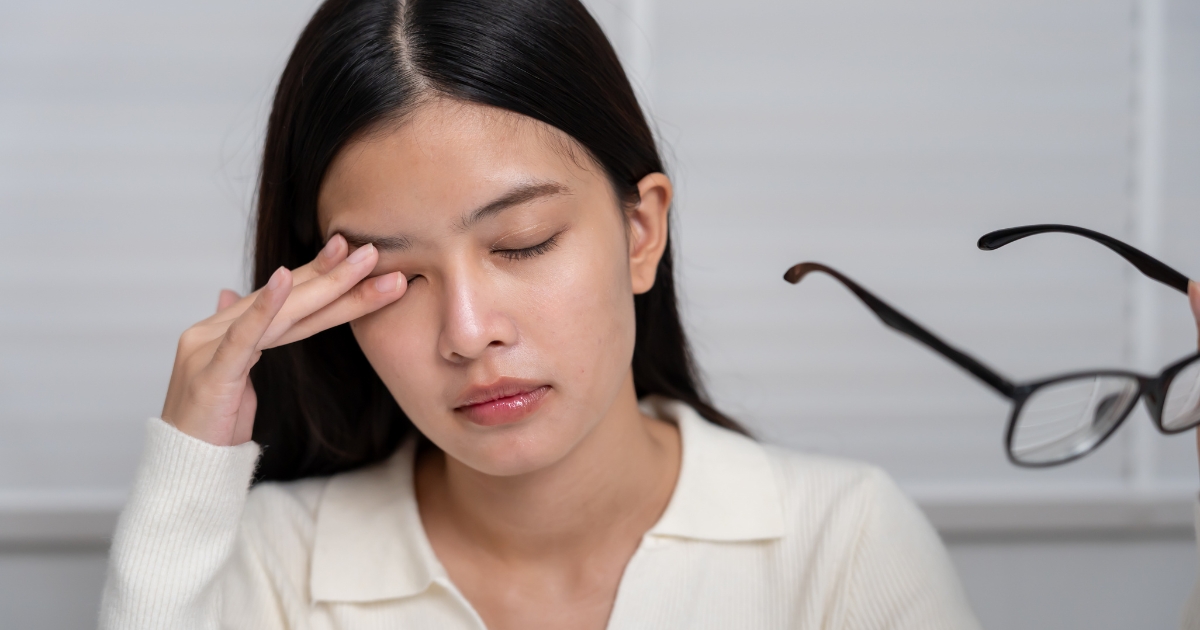
Snapping at a coworker over a minor email. Feeling your jaw clench in traffic. Losing patience with loved ones over things that never used to bother you. If these moments have become your daily norm rather than occasional blips, you’re not alone in asking yourself, “Why am I so irritable?” Persistent irritability often feels like a character flaw or a sign you need to “just relax,” but when frustration becomes your baseline emotional state, it may signal something deeper than stress or a bad week.
Understanding when irritability crosses from normal annoyance to chronic symptoms that warrant clinical attention can be challenging—and the question “Why am I so irritable?” often signals that threshold has been reached. This guide explores what causes constant irritability, how it connects to underlying mental health conditions, and when short tempers reflect more than just life’s daily hassles.
What Causes Constant Irritability Beyond Everyday Stress
When you ask yourself, “Why am I so irritable?” the answer often extends far beyond a demanding job or a packed schedule. Sleep deprivation ranks among the most common physiological culprits—when you consistently get fewer than seven hours of sleep, your prefrontal cortex struggles to regulate emotional responses, leaving you reactive to minor provocations. Hormonal imbalances, including thyroid dysfunction and cortisol dysregulation, can also create a persistent state of agitation that feels impossible to shake.
Chronic stress fundamentally rewires how your brain processes everyday frustrations. Prolonged exposure to stress hormones makes your nervous system hypersensitive to perceived threats, interpreting neutral situations as provocations.
| Irritability Type | Duration | Clinical Significance |
|---|---|---|
| Situational | Days to 1 week | Normal stress response; resolves when stressor ends |
| Episodic | 1–3 weeks | May indicate adjustment difficulties or accumulated stress |
| Chronic | 4+ weeks | Often signals underlying mental health condition requiring evaluation |
| Sudden onset | Abrupt change from baseline | May indicate medical issue, medication side effect, or acute psychiatric episode |
The Hidden Connection Between Irritability and Mental Health Conditions
The irritability and depression connection remains one of the most overlooked aspects of mood disorders. While many people associate depression with sadness and withdrawal, the question “Why am I so irritable?” often points to depression, in which irritability serves as a primary symptom—particularly in men, who are socialized to express distress as anger rather than sorrow. Recognizing irritability as a mental health symptom rather than a character flaw is the first step toward effective treatment. Men with depression are disproportionately likely to report irritability, hostility, and aggression compared to women with depression. This presentation often leads to misdiagnosis or delayed treatment because it doesn’t match the stereotypical image of depression.
Anxiety disorders frequently manifest as irritability rather than worry alone. When your nervous system remains in a constant state of activation, even minor disruptions feel intolerable. Generalized anxiety disorder, social anxiety, and panic disorder all list irritability as a diagnostic criterion. The internal experience of anxiety—racing thoughts, physical tension, hypervigilance—creates a cognitive load that leaves little bandwidth for patience or emotional regulation.
Post-traumatic stress disorder fundamentally alters how the brain processes safety and threat. Individuals with PTSD often experience chronic irritability as part of the hyperarousal symptom cluster. This isn’t just “being on edge”—it’s a neurological state where the brain interprets neutral stimuli as potential dangers, triggering defensive responses that others perceive as disproportionate anger or frustration.
Chronic irritability symptoms that warrant clinical evaluation include:
- Persistent irritability lasting most days for four weeks or longer, even when stressors improve
- Irritability severe enough to damage relationships, with frequent conflicts at work or home
- Sleep disturbances, either insomnia or oversleeping, occurring alongside the irritability
- Thoughts of self-harm or harming others during moments of intense frustration
If you’re experiencing thoughts of harming yourself or others, call or text 988 to reach the Suicide & Crisis Lifeline, available 24/7. These symptoms indicate a crisis requiring immediate intervention to ensure safety.
Gender Differences in Irritability and Mood Swings
If you’re asking why you are so irritable, hormonal fluctuations may be part of the answer, affecting emotional regulation across genders, but the specific mechanisms and social interpretations differ substantially. Understanding these patterns helps clinicians provide more accurate diagnoses and individuals recognize when their symptoms warrant evaluation.
Testosterone levels naturally decline after age 30. While this gradual decrease is normal, some men experience more pronounced drops that affect mood regulation. Low testosterone has been linked to increased irritability, difficulty concentrating, and reduced frustration tolerance. Men often describe feeling “on edge” or having a shorter fuse than in previous years.
Women experience cyclical hormonal fluctuations throughout their reproductive years that directly impact neurotransmitter function. Estrogen and progesterone influence serotonin, dopamine, and GABA—all critical for mood regulation. Premenstrual dysphoric disorder affects a significant share of menstruating women, causing severe irritability, mood swings, and emotional sensitivity in the week or two before menstruation.
Perimenopause, the transition period before menopause, often brings sudden irritability and mood swings that catch women off guard. Estrogen levels fluctuate wildly during this phase, which can last several years. Many women report feeling like they’ve lost emotional control, experiencing rage or frustration that feels completely out of character. Postpartum rage—intense, sometimes frightening anger toward partners, circumstances, or even the baby—affects many new mothers but remains underreported due to shame and fear of judgment. Hormonal shifts, sleep deprivation, and the overwhelming demands of infant care create a perfect storm for irritability that requires professional support.
| Life Stage | Primary Hormonal Factor | Irritability Pattern |
|---|---|---|
| Reproductive years (women) | Estrogen/progesterone fluctuation | Cyclical, predictable timing with menstrual cycle |
| Perimenopause (women) | Erratic estrogen decline | Unpredictable, often severe, may include rage episodes |
| Postpartum (women) | Rapid estrogen/progesterone drop | Intense, often accompanied by anxiety and intrusive thoughts |
| Andropause (men) | Gradual testosterone decline | Steady increase over years, often attributed to stress or aging |
When Is Irritability a Sign of Something Serious
Determining when irritability crosses from a normal stress response to a mental health symptom requires attention to several key factors—and if you’re asking yourself “Why am I so irritable?” persistently, that question itself may be significant. Duration serves as the first indicator—irritability persisting most days for a month or longer suggests an underlying condition rather than a temporary reaction to circumstances. Intensity matters as well. If your irritability leads to verbal outbursts, damaged relationships, or physical aggression, professional evaluation is warranted regardless of duration.
Functional impairment provides another critical benchmark. When is irritability a sign of something serious? When it prevents you from maintaining relationships, performing at work, or engaging in activities you once enjoyed. The presence of other symptoms alongside irritability often indicates a diagnosable condition. Depression rarely presents as irritability alone—look for changes in sleep, appetite, energy, concentration, or interest in activities. Anxiety disorders typically include physical symptoms like muscle tension, restlessness, or fatigue. Bipolar disorder may feature periods of elevated mood, increased energy, or impulsive behavior alternating with depressive episodes.
What Treatment for Chronic Irritability Actually Looks Like
Evidence-based treatment for chronic irritability typically begins with a comprehensive psychiatric evaluation to identify underlying conditions. Cognitive behavioral therapy helps you recognize thought patterns that amplify frustration and develop more adaptive responses to triggers. Dialectical behavior therapy teaches specific skills for emotional regulation, distress tolerance, and interpersonal effectiveness—particularly valuable when irritability damages relationships.
Medication management may be appropriate when irritability stems from depression, anxiety disorders, bipolar disorder, or ADHD. SSRIs, mood stabilizers, or stimulant medications can address the neurochemical imbalances driving the symptom. Understanding how to stop being irritable all the time requires a treatment approach that combines therapy, medication when indicated, and lifestyle modifications like sleep hygiene, stress reduction, and regular exercise—all targeting the root causes rather than just suppressing the irritability itself.

Get Professional Support at Los Angeles Mental Health
Persistent irritability doesn’t have to define your daily experience or damage the relationships that matter most. If you’ve been asking yourself, “Why am I so irritable?” a professional assessment can identify the underlying factors driving this pattern and create a path toward relief. Los Angeles Mental Health provides comprehensive evaluations that look beyond surface symptoms to understand the biological, psychological, and environmental factors contributing to chronic irritability. Evidence-based treatment approaches—including therapy, medication management when appropriate, and stress reduction techniques—address root causes rather than simply managing symptoms. Contact our team today to schedule a confidential assessment.
FAQs
These questions cover the most common concerns regarding irritability and when to seek professional help.
1. How long does irritability need to last before it’s considered a mental health symptom?
Irritability lasting most days for four weeks or longer typically warrants clinical evaluation, especially when it persists despite improvements in external stressors. The key factor is whether the irritability represents a significant change from your baseline functioning and interferes with relationships, work, or quality of life.
2. Can irritability be the only symptom of depression?
Irritability can be the most prominent symptom of depression, particularly in men and adolescents, though other symptoms are typically present upon closer examination. These often include changes in sleep, appetite, energy, concentration, or interest in activities, even if they’re less noticeable than the irritability itself.
3. What’s the difference between irritability and anger issues?
Irritability refers to a lowered threshold for frustration where minor annoyances trigger disproportionate emotional responses, often as a symptom of an underlying condition. Anger issues typically involve difficulty controlling anger expression or frequent intense anger that may not be linked to a diagnosable mental health condition, though the two can overlap.
4. Do men and women experience irritability differently?
Irritability in men vs women manifests differently due to both biological and sociocultural factors. Men are more likely to express depression as irritability and anger, while women may experience cyclical irritability related to hormonal fluctuations during menstrual cycles, perimenopause, or postpartum periods.
5. When should I seek professional help for constant irritability?
Seek professional help when irritability lasts more than a month, damages important relationships, impairs work or daily functioning, or occurs alongside other concerning symptoms like sleep changes or hopelessness. Immediate evaluation is necessary if you experience thoughts of self-harm or harming others or sudden personality changes.